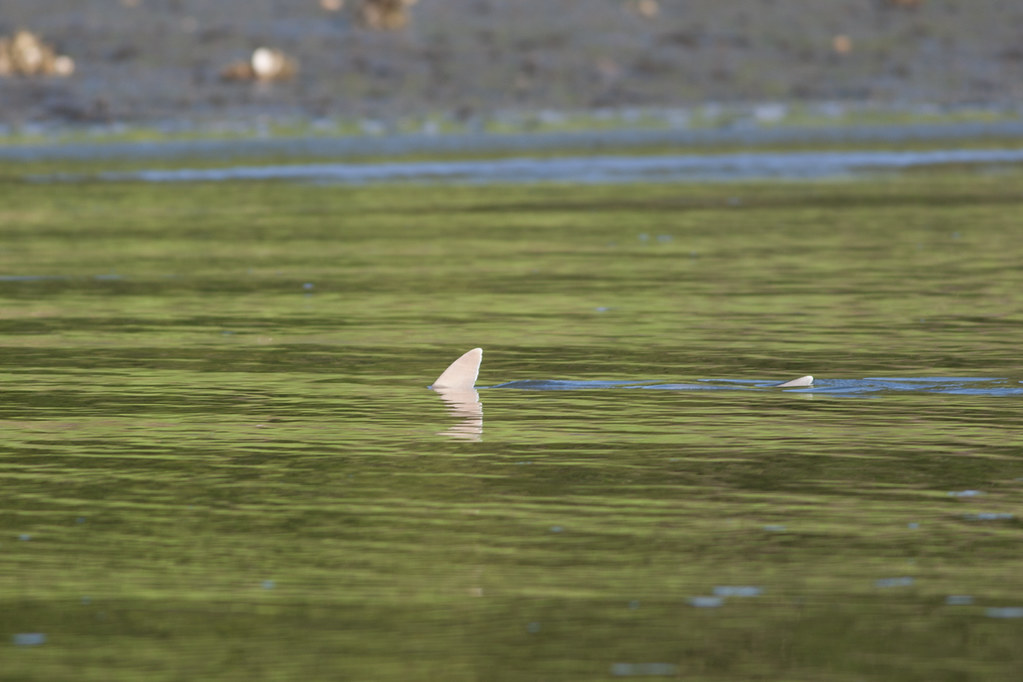
Sharks are Friends, not Foes!
Tampa Bay’s beautiful waters are home to some of our favorite fishes, playful dolphins, and of course our beloved manatees. Seeing these creatures are why many people come to our conservation parks and nature preserves to kayak and fish.
But what else lurks in those depths below with lots of teeth
and upright fins, recalling a popular musical tune and they glide
smoothly through the water? No, not the Jaws theme – we mean Baby Shark! Do do
do doo doo do doo…
All jokes aside, Tampa Bay is a shark nursery for baby sharks! Of course, sharks live in the waters of our bay year-round but the warm summer months are when the young pups get to grow up in the bay and are protected from larger predators in deeper Gulf waters. If you’re lucky, you’ll get to catch a glimpse of some of these sharks around our coastal parks and preserves like E.G. Simmons, Cockroach Bay Nature Preserve, or Upper Tampa Bay Park.

There are roughly a dozen
different species of these lovely fishes who spend some of their time around Tampa Bay.
Shark and human interactions can be dangerous
depending on the species, but it’s important to remember that these sharks
generally don’t want anything to do with us and our impact on them is greater
than theirs on us. Consider that there
were 28 reported unprovoked shark bites in Florida in 2021,
zero of which lead to deaths – compared to eleven deaths by lightning in thestate in 2021; it's true what they say “you’re more likely to get struck by lightning than
attacked by a shark.”
Let’s meet some of our neighbors:

Bonnethead sharks are shy, posing very little threat to humans.
They’re often confused for “baby hammerheads” because these small sharks are
usually only 2-3 feet long but can reach larger lengths. They like to hang out closer to the bottom of
the water as they feed on crabs, shrimp, and sea grasses – you read that right –
Bonnethead sharks are the only shark known to be omnivorous.
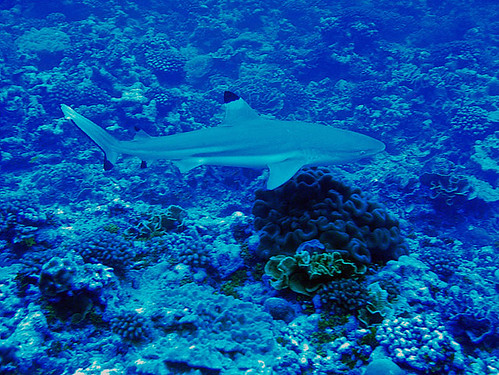

Lemon sharks with their more yellow coloring prefer
shallower, warmer waters with rocky or sandy bottoms to help them blend in. They primarily hunt at night and even though
they can reach 11 feet in length, they still pose little threat to humans. These sharks like living in groups where they
have displayed behavior that suggest pack hunting, and benefit from the
protection of higher numbers.
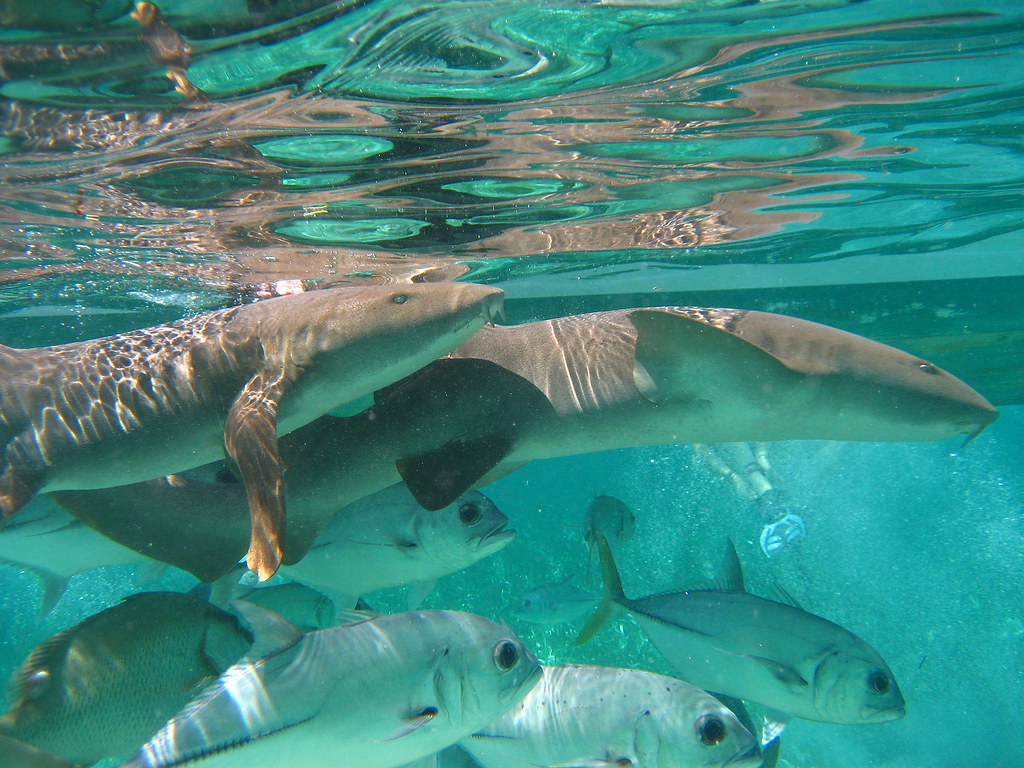
Nurse sharks, unlike the Lemon sharks, are more solitary
creatures by night and like to form smaller groups in the daytime. They eat
smaller fish and crustaceans using suction on the bottom of the bay, and young
pups stay around the seagrass beds and mangrove islands. They are slower moving
and this has made them a popular shark for viewing by divers, as well as an
opportunistic meal by alligators.